
Head and Neck Cancer Treatment in Delhi
Advanced head and neck cancer treatment in Delhi by Dr. Archit Pandit, offering precision surgery, organ-preserving techniques, and personalised care for oral, throat, tongue, thyroid, salivary gland, and other head & neck cancers.
Book Appointment
Connect with Dr. Archit Pandit for expert Head & Neck Cancer Consultation.
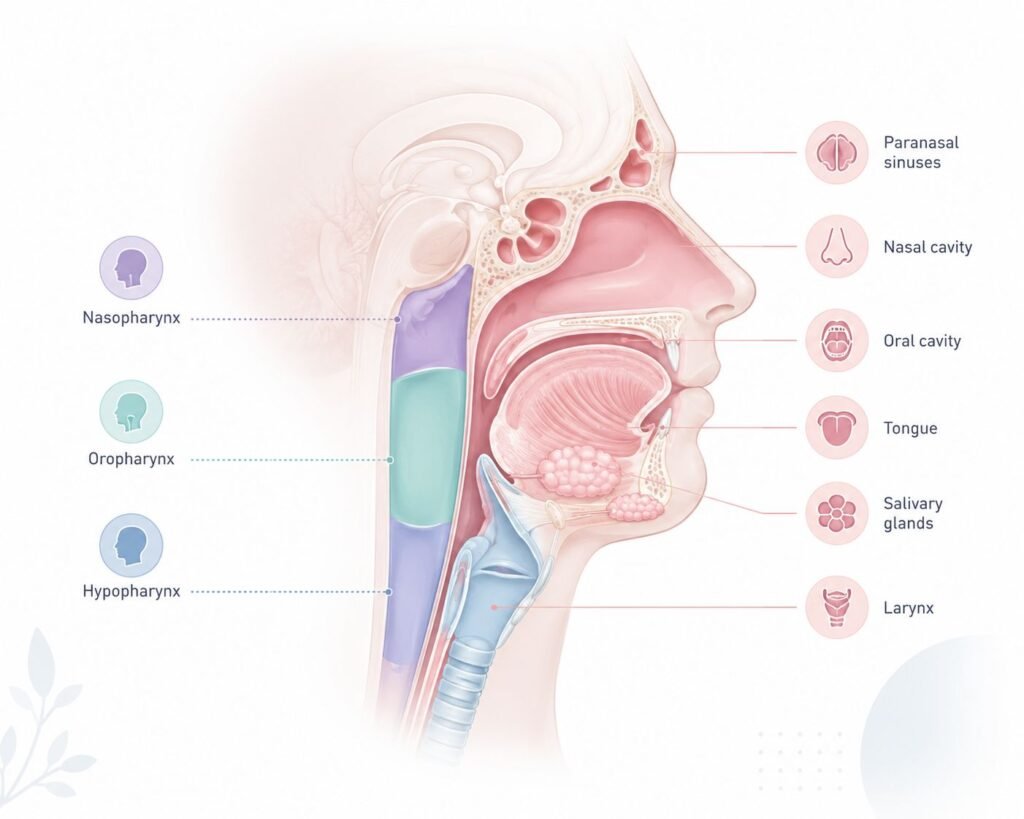
Head & Neck Cancer Treatment in Delhi
Comprehensive Diagnosis & Personalised Surgical Care
Head and neck cancer is a group of cancers that affect the mouth, tongue, throat, voice box (larynx), thyroid, salivary glands, nose, and sinuses. Common symptoms include a persistent mouth ulcer, difficulty swallowing, voice changes, a lump in the neck, and unexplained weight loss. Early diagnosis and timely treatment can significantly improve outcomes.
Dr. Archit Pandit, an experienced Head & Neck Cancer Surgeon in Delhi, provides personalised head and neck cancer treatment in Delhi using advanced surgical techniques and a multidisciplinary approach. Depending on the type and stage of cancer, treatment may include surgery, robotic surgery, radiation therapy, chemotherapy, targeted therapy, or immunotherapy, with the goal of removing the cancer while preserving speech, swallowing, appearance, and quality of life whenever possible.
Symptoms of Head and Neck Cancer
Symptoms vary depending on where the cancer develops. If any of these symptoms last for more than two weeks, it is important to seek medical evaluation.
A sore or ulcer in the mouth that does not heal
A lump in the neck, mouth, or jaw
Difficulty swallowing or chewing
Persistent sore throat
Hoarseness or voice changes
Unexplained weight loss
Frequent nosebleeds or blocked nose
Difficulty breathing
Numbness or swelling of the face or mouth
Persistent ear pain
Types of Head and Neck Cancer We Treat
Every head and neck cancer requires a personalised treatment approach based on its location, stage, and overall health of the patient.
Oral Cancer
Cancer affecting the lips, tongue, gums, cheeks, and other parts of the mouth, often associated with tobacco, betel nut use, and alcohol consumption.
Common Symptoms
- Non-healing mouth ulcer
- Mouth bleeding
- Difficulty chewing
- White or red patches
Tongue Cancer
Cancer that develops in the tongue and may affect speech, swallowing, and eating if not diagnosed and treated early.
Common Symptoms
- Persistent tongue ulcer
- Pain while swallowing
- Tongue lump
- Difficulty speaking
Throat (Pharyngeal) Cancer
Cancer affecting the throat, including the nasopharynx, oropharynx, and hypopharynx, which can interfere with swallowing and breathing.
Common Symptoms
- Persistent sore throat
- Difficulty swallowing
- Ear pain
- Neck swelling
Laryngeal (Voice Box) Cancer
Cancer of the voice box that can affect speaking, breathing, and swallowing if left untreated.
Common Symptoms
- Persistent hoarseness
- Voice changes
- Difficulty breathing
- Pain while swallowing
Thyroid Cancer
Cancer that develops in the thyroid gland and is often highly treatable when diagnosed at an early stage.
Common Symptoms
- Neck swelling
- Thyroid lump
- Voice changes
- Difficulty swallowing
Salivary Gland Cancer
A rare cancer affecting the salivary glands that may require specialised surgical treatment for the best outcomes.
Common Symptoms
- Lump near the jaw
- Facial weakness
- Jaw pain
- Difficulty opening the mouth
Nasal & Paranasal Sinus Cancer
Cancer that develops in the nasal cavity or surrounding sinuses and may initially resemble chronic sinus problems.
Common Symptoms
- Persistent nasal blockage
- Frequent nosebleeds
- Facial pain
- Swelling around the eyes
Neck Tumours
Abnormal growths or enlarged lymph nodes in the neck that may be an early sign of head and neck cancer.
Common Symptoms
- Persistent neck lump
- Neck swelling
- Difficulty swallowing
- Hoarseness
Causes and Risk Factors of Head & Neck Cancer
Head and neck cancer is often associated with certain lifestyle, environmental, and medical factors. The most common risk factors include:
- Tobacco Use: Smoking or chewing tobacco is the leading cause.
- Excessive Alcohol Consumption: Alcohol further increases the risk, especially with tobacco use.
- HPV Infection: A major cause of many throat and oropharyngeal cancers.
- Poor Oral Hygiene: Long-term oral health problems may increase the risk of oral cancer.
- Prolonged Sun Exposure: Can increase the risk of lip cancer.
- Occupational Exposure: Exposure to wood dust, asbestos, and certain chemicals may contribute.
- Family History: Genetic factors may increase susceptibility in some individuals.
Reducing these risk factors and seeking early medical evaluation for persistent symptoms can improve the chances of early diagnosis and successful treatment.

Diagnosis of Head & Neck Cancer
Accurate diagnosis for personalised cancer treatment.
An accurate diagnosis helps identify the type, stage, and extent of head and neck cancer, allowing your doctor to recommend the most appropriate treatment.
Diagnosis may include:
- Clinical Examination: Assessment of the mouth, throat, neck, and lymph nodes.
- Endoscopy: A flexible camera to examine the throat, voice box, and nasal passages.
- Biopsy: A tissue sample to confirm whether the growth is cancerous.
- Imaging Tests: CT scan, MRI, PET-CT, ultrasound, or X-ray to determine the size and spread of the tumour.
- Additional Tests: Blood tests, HPV testing, or thyroid function tests, if required.
Early and accurate diagnosis is the first step towards successful head and neck cancer treatment. If you notice persistent symptoms, consult a specialist without delay.
Your Head & Neck Cancer Treatment Journey
A step-by-step approach to personalised cancer care
Consultation & Evaluation
Review of symptoms, reports and medical history.
Diagnosis & Staging
Clinical examination, biopsy and imaging to confirm the diagnosis.
Personalised Treatment Plan
Treatment is planned by a multidisciplinary cancer team.
Treatment
Surgery, robotic surgery, chemotherapy, radiation or immunotherapy based on your condition.
Recovery & Follow-Up
Follow-ups and expert monitoring support healing, outcomes, and long-term health.
Free first consultation - no obligation
Why Choose Dr. Archit Pandit for Head and Neck Cancer Treatment in Delhi?
Choosing the right Head and Neck Cancer Surgeon in Delhi is one of the most important decisions in your cancer journey.
Book a Consultation with Dr. Archit Pandit
Expert Head and Neck Cancer Treatment in South Delhi
If you or a loved one has been diagnosed with oral cancer, tongue cancer, throat cancer, laryngeal cancer, thyroid cancer, salivary gland cancer, or another head and neck cancer, early consultation with an experienced specialist can help you understand your diagnosis and explore the most appropriate treatment options.
Dr. Archit Pandit provides comprehensive head and neck cancer treatment in Delhi, combining advanced surgical techniques with personalised cancer care to achieve the best possible outcomes.

Frequently Asked Questions
Everything you need to know before your consultation
What are the early signs of head and neck cancer? expand_more
Early symptoms may include a persistent mouth ulcer, lump in the neck, sore throat, difficulty swallowing, hoarseness, ear pain, or unexplained weight loss. If these symptoms last for more than two weeks, consult a Head & Neck Cancer Specialist.
What causes head and neck cancer? expand_more
The most common causes include tobacco use, excessive alcohol consumption, HPV (Human Papillomavirus) infection, prolonged sun exposure, poor oral hygiene, and exposure to certain industrial chemicals
Can head and neck cancer be cured? expand_more
Many head and neck cancers can be successfully treated, especially when diagnosed early. Treatment outcomes depend on the cancer type, stage, location, and overall health of the patient.
Is head and neck cancer painful? expand_more
Some patients experience pain, while others may notice painless symptoms such as a neck lump, persistent mouth ulcer, or hoarseness. Pain often depends on the location and stage of the cancer.
How long does recovery take after head and neck cancer surgery? expand_more
Recovery depends on the type of surgery and the patient's overall health. Most patients require a few weeks to recover, while more complex surgeries may require longer rehabilitation.